
Ambient noise is an unavoidable part of modern life, from traffic and construction to office chatter and household sounds. For many people, constant background noise does more than distract; it can trigger stress, restlessness, and heightened anxiety. Over time, this sensory overload affects concentration, sleep quality, and emotional balance. In environments where silence is not possible, noise-reducing earplugs provide a practical solution by softening intrusive sounds and helping the nervous system remain calm and regulated.
Understanding Anxiety Triggered by Ambient Noise
How the Brain Responds to Sound
The human brain is wired to stay alert to sound as a survival mechanism. Sudden or repetitive noises activate the stress response, increasing heart rate and cortisol levels. When this happens repeatedly throughout the day, the body may remain in a heightened state of alertness, contributing to ongoing anxiety.
Common Sources of Overstimulation
Ambient noise can come from many sources, such as open workspaces, urban living, public transportation, or shared households. These sounds are often unpredictable, making them especially difficult for people who are sensitive to sensory input. Managing sound exposure is an important step in reducing anxiety symptoms linked to environmental stressors.
How Earplugs Reduce Anxiety
Lowering Sensory Input Without Isolation
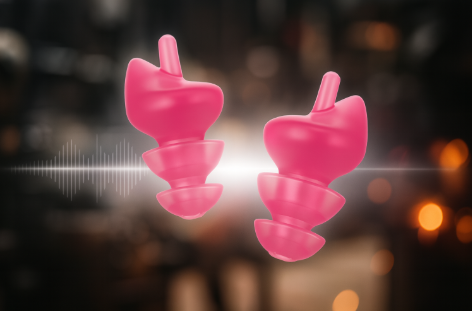
Noise-reducing earplugs work by lowering the volume of background noise rather than eliminating it completely. This allows the brain to process sound without becoming overwhelmed. By reducing auditory intensity, earplugs help create a sense of control and safety, which can ease anxious responses.
Supporting Nervous System Regulation
When sound levels are reduced, the nervous system is less likely to enter a fight or flight state. Consistent use of earplugs can help maintain a calmer baseline throughout the day, especially in environments that are difficult to control.
Benefits in Daily Environments
Work and Study Settings
Open offices and busy classrooms are common sources of noise-related stress. Conversations, equipment sounds, and movement can interrupt focus and elevate anxiety. In the middle of the workday, noise-reducing earplugs help soften distractions, allowing individuals to concentrate more effectively while remaining aware of their surroundings.
Public and Social Spaces
Crowded places such as cafes, airports, and shopping centres can be overwhelming for people prone to anxiety. Earplugs reduce the intensity of background noise, making social interactions and public outings more manageable and less exhausting.
Design Features That Enhance Comfort
Sound Filtering Instead of Blocking
Unlike traditional foam earplugs, modern designs often use sound filtering technology. This approach lowers harmful or distracting frequencies while preserving speech clarity. The result is reduced noise stress without complete disconnection from the environment.
Comfort for Extended Wear
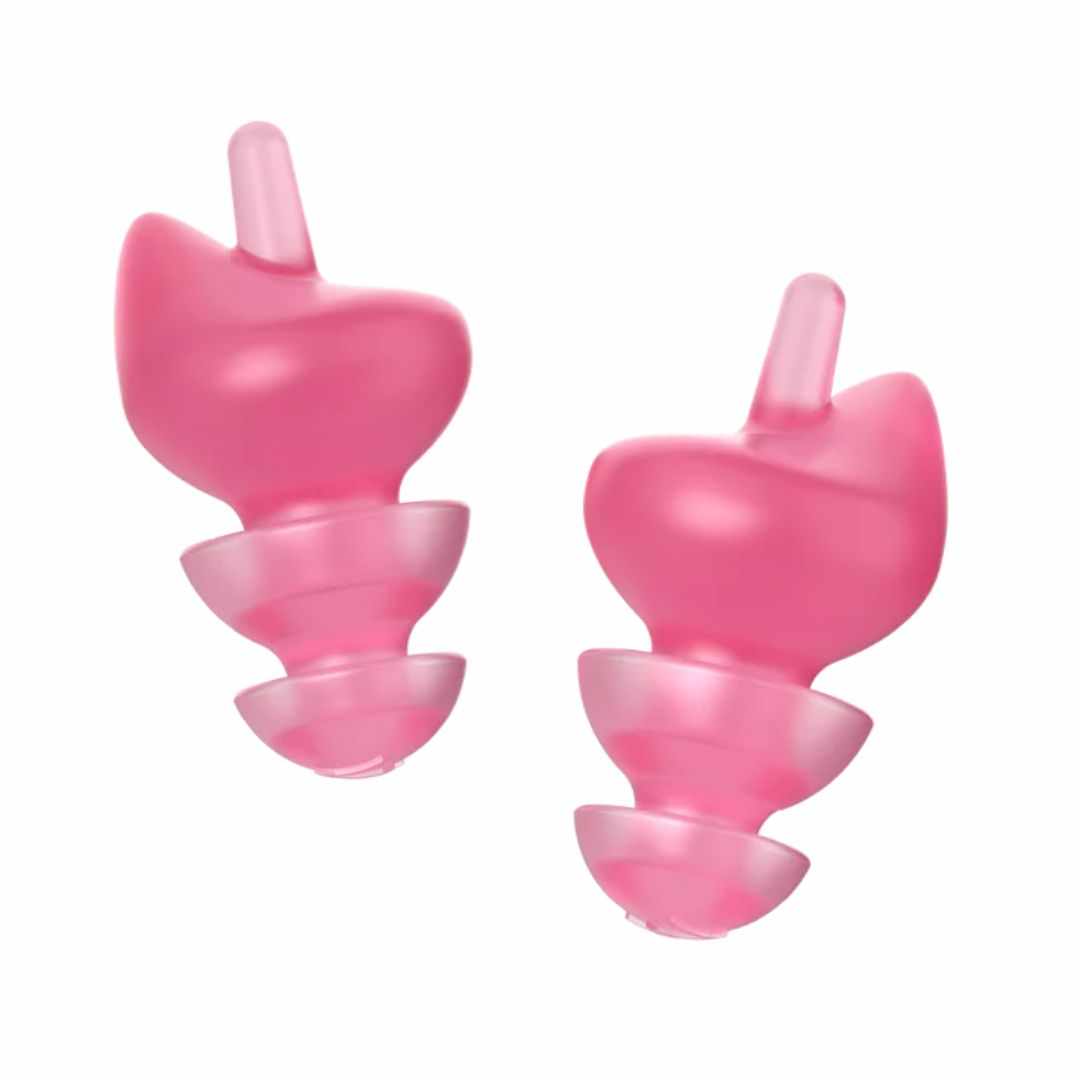
Comfort is essential for anxiety management tools. Earplugs made from soft, flexible materials adapt to the ear canal and can be worn for long periods without irritation. A comfortable fit encourages consistent use, which is key to long-term benefits.
Psychological Benefits of Reduced Noise
Improved Focus and Mental Clarity
Lower noise levels support cognitive performance by reducing mental fatigue. When the brain is not constantly filtering unwanted sound, it can focus more effectively on tasks and conversations. This mental clarity often leads to reduced anxiety and improved confidence.
Better Emotional Regulation
Noise reduction supports emotional balance by limiting sensory overload. In one of the final stages of daily stress management, noise-reducing earplugs can help individuals feel more grounded, especially during moments of heightened tension or overstimulation.
Long-Term Use and Lifestyle Integration
Building Healthier Routines
Incorporating earplugs into daily routines can help establish calmer environments at key times, such as commuting, working, or unwinding at home. Over time, this consistency may reduce overall stress levels and improve quality of life.
Non-Invasive and Drug-Free Support
Earplugs offer a simple, non-invasive option for managing anxiety linked to sound. They do not alter brain chemistry or cause side effects, making them suitable for regular use alongside other wellness practices.
Conclusion
Managing anxiety caused by ambient noise begins with controlling sensory input. Sound reduction can play a meaningful role in calming the nervous system and improving daily comfort. By lowering background noise without isolating the user, earplugs help create more balanced environments for work, social settings, and rest. For those also seeking nighttime relief, solutions such as earplugs for sleep can further support relaxation and recovery by promoting quieter, more restorative rest.



Write a comment ...